
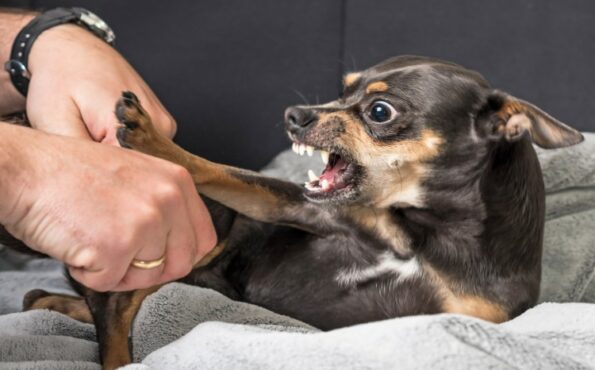
No matter how experienced you are, difficult dogs come with the job. A dog that’s anxious about the dryer, reactive on the table, or has a history of snapping – these situations are part of daily life for professional groomers across the UK.
The good news is that most dogs that present as aggressive aren’t actually dangerous. They’re scared, uncomfortable, or reacting to a past experience. Understanding what’s driving the behaviour and knowing how to respond makes a real difference, both to the outcome of the groom and to your own safety.
This guide covers the practical side: how to read a dog before anything goes wrong, the techniques experienced groomers use, when to say no, and what your insurance should cover when things don’t go to plan.
Jump to:
- Why dogs become reactive during grooming
- Reading the warning signs early
- Practical handling techniques
- Setting up your salon for safer grooming
- Working with owners
- When to decline a dog
- XL Bullies and insurance
- Making sure you’re covered
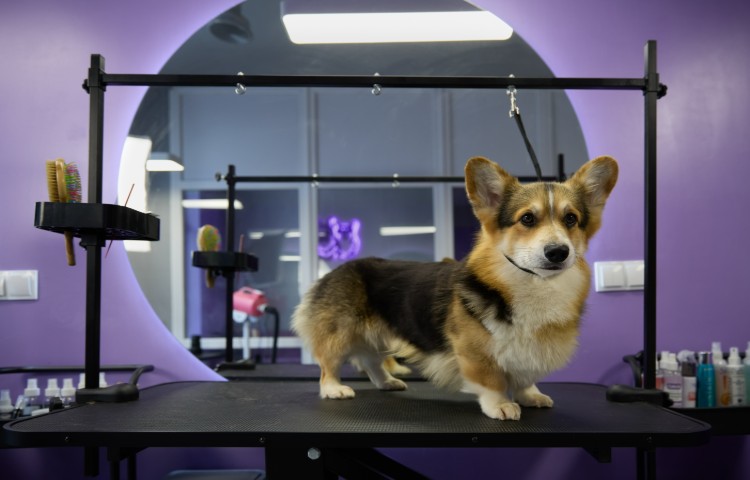
Why dogs become reactive during grooming
It helps to start here, because understanding why a dog is reacting the way it is changes how you respond.
Grooming involves a lot of things dogs can find uncomfortable: being handled in sensitive areas, unfamiliar sounds and smells, being restrained, and the presence of strangers. For most dogs, this is manageable. For others, particularly those with no early exposure to grooming, a previous bad experience, or underlying pain, it can trigger a defensive response.
Common causes include:
- Fear and anxiety – the most frequent driver of reactive behaviour in the salon
- Pain – arthritis, ear infections, skin conditions and matting can all make handling painful; a dog that’s suddenly snapping may be telling you something hurts
- Previous negative grooming experiences – dogs remember, and a stressful early groom can set the tone for years
- Lack of early socialisation – dogs not handled regularly as puppies are often less tolerant of grooming procedures
- Breed temperament – some breeds are more noise-sensitive, touch-sensitive or generally more reactive than others
- The environment itself – other dogs, unfamiliar smells, certain sounds, and even lighting can all contribute
When you understand the cause, you’re better placed to adapt your approach rather than simply pushing through, which rarely ends well for either party.
Reading the warning signs early
The safest moment to change your approach is before a dog escalates. Most dogs signal their discomfort well before they actually bite. Groomers who learn to read those signals can de-escalate situations before they become dangerous.
Early warning signs
- Yawning, lip licking or turning away – signs of stress in an unfamiliar situation
- A stiff, still posture – a dog that has ‘frozen’ is often on the edge of reacting
- Low tail carriage or tail tucked under the body
- Whale eye -where the whites of the eyes become visible
- Ears pinned flat or pulled back tightly
- Panting or trembling without being hot
Escalating warning signs – act now
- Growling – never punish this – it’s communication, and suppressing it removes a valuable warning signal
- Showing teeth or wrinkling the muzzle
- Snapping at the air
- Lunging or sudden rigid stillness before movement
Growling is not aggression – it’s a warning. A dog that has been punished for growling may skip this stage entirely and bite without warning. Respect the growl and adjust your approach accordingly.
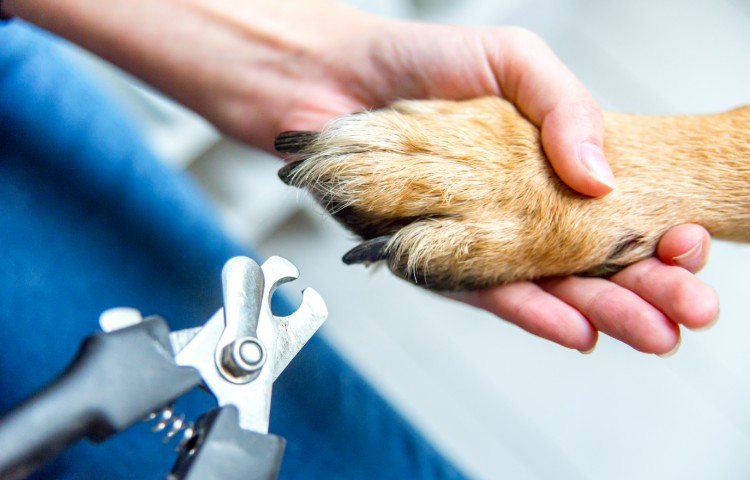
Practical handling techniques
There’s no single approach that works with every dog. Experienced groomers adapt continuously, reading the dog and adjusting throughout the session. That said, a few principles apply consistently.
Keep your energy calm and steady
Dogs are acutely sensitive to the energy of the people around them. Moving quickly, speaking sharply, or showing your own nervousness will escalate a tense situation. Slow, deliberate movements and a calm, low voice are always your starting point.
Work in short sessions
For highly anxious or reactive dogs, trying to complete the full groom in one go is often counterproductive. Breaking the session into shorter stages – with genuine breaks in between – reduces the dog’s overall stress levels and builds tolerance over repeat visits. A dog that copes well with a wash and dry might need to come back separately for clipping.
Use positive reinforcement throughout
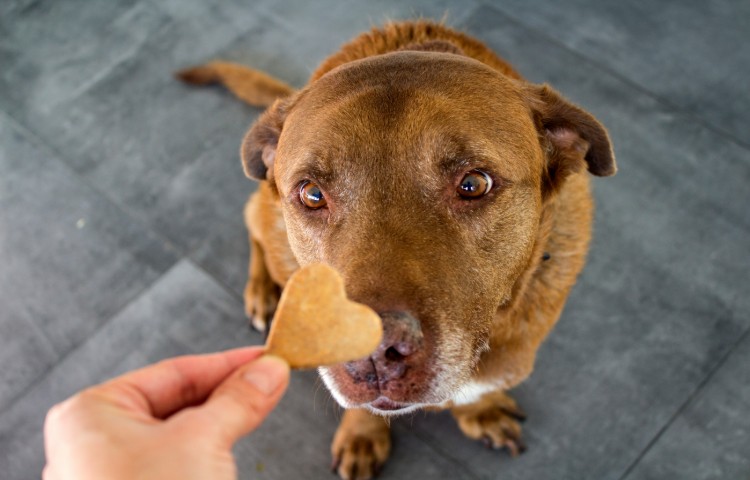
Treats, praise and taking the pressure off at the right moment all reinforce calm behaviour. Asking the dog to do something simple it already knows – sit, paw – before starting a new procedure can shift its focus and reduce reactivity. It also gives the dog a sense of agency, which reduces the feeling of being trapped.
Introduce equipment gradually
Clippers, dryers and scissors are all potential triggers. Where possible, let the dog sniff and become familiar with equipment before it’s used. Run the dryer at a distance before directing it at the dog. Some groomers use a second, quieter clipper to desensitise a dog before switching to the one they’ll actually use.
Muzzle use
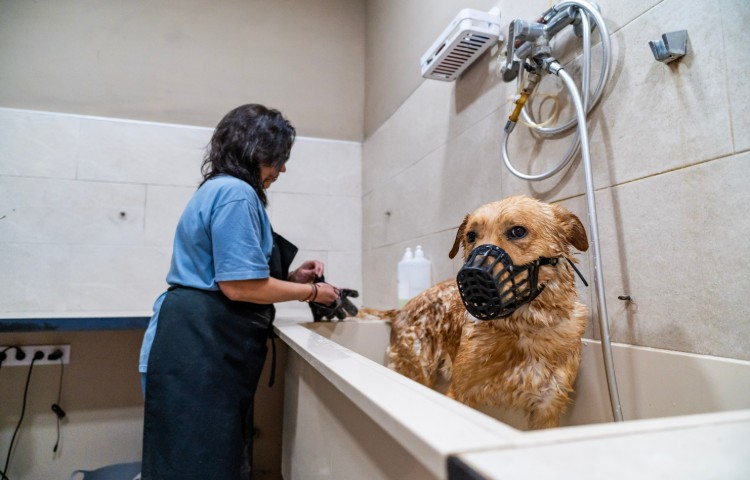
Muzzles are a legitimate safety tool – not a last resort or a sign of failure. For dogs with a known bite history, or where early warning signs suggest the session could escalate, using a properly fitted basket muzzle from the outset protects you, your colleagues, and any other dogs on the premises.
The key is to introduce the muzzle calmly and positively – not as a response to an already-escalated dog, but as a standard part of preparation for that animal. Many dogs accept a muzzle without issue when it’s introduced without stress.
Never restrain a dog into submission
Physically forcing a reactive dog into compliance tends to make things worse, not better – and puts you at significant risk of a bite. If a dog is escalating and physical restraint feels like the only option, that’s a signal to stop the session, not to push through.
Setting up your salon for safer grooming
Your physical environment plays a bigger role in dog behaviour than many groomers realise. A few adjustments can meaningfully reduce stress for reactive dogs.
- Keep noise levels down – dryers, music and the sounds of other dogs all add to sensory load
- Avoid letting reactive dogs see or smell each other directly – separation reduces arousal levels significantly
- Use non-slip matting on all surfaces – dogs that feel physically insecure become more anxious
- Make sure your grooming table is properly secured and stable – wobbling tables increase anxiety
- Good lighting helps you work more accurately and reduces the need for repositioning
- Keep the reception area calm – a dog that’s already worked up before it reaches the table is harder to settle
Working with owners
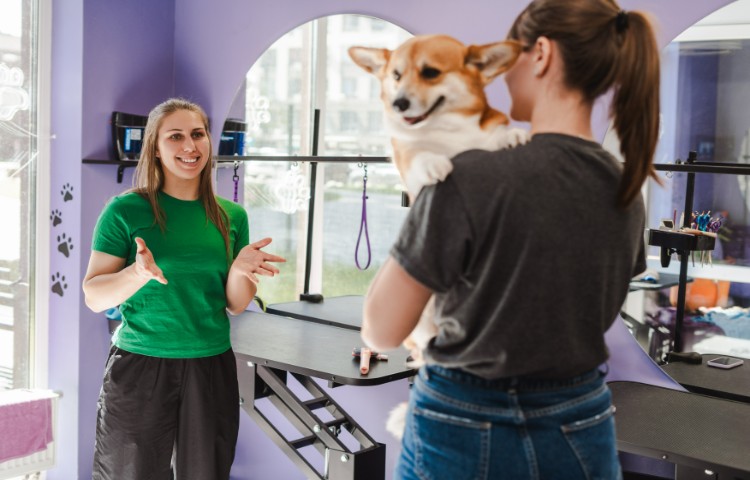
Owners are an important part of managing a difficult dog, both before the appointment and during it.
A few things that can help:
Gather information upfront
Before taking on a new dog, especially one flagged as difficult, ask the owner directly about its history.
- Has it bitten before?
- What are its specific triggers?
- Has it had any recent changes in health or behaviour?
This information shapes how you prepare and what you communicate to the owner about expectations for the session.
Ask owners to do some preparation work
Owners who regularly handle their dog’s paws, ears and face at home – using treats and positive reinforcement – make your job significantly easier. It’s worth letting clients know this directly, especially for puppies or dogs that are new to grooming.
Give the owner feedback
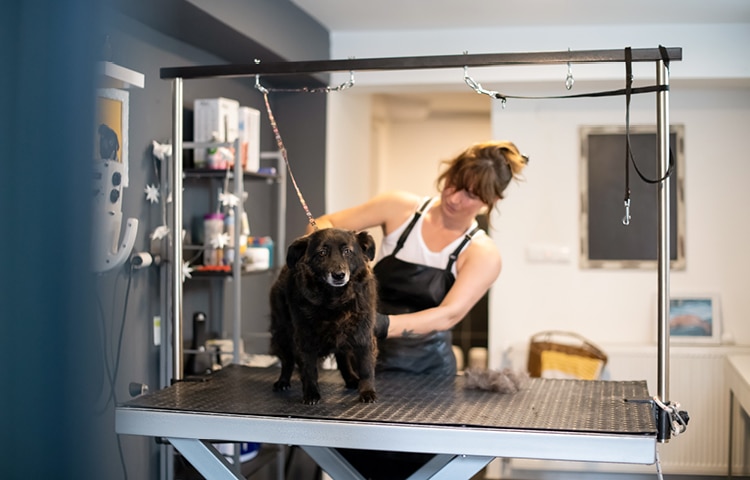
If a dog had a difficult session, tell the owner clearly and constructively. Document what happened and what you tried. This isn’t just good practice – it protects you if there’s ever a dispute, and it helps the owner understand what support their dog might need between appointments.
Don’t allow owners to be present if it makes things worse
Some dogs are calmer without their owner present – the owner’s own anxiety transfers directly to the dog. Others are genuinely more settled with a familiar person nearby. You know your clients, use your judgement.
When to decline a dog
Knowing when to turn a booking away is one of the most important professional judgements a groomer makes. It’s not a failure, it’s good practice.
You may want to think about declining, or ending a session, if:
- A dog has an unmanaged bite history and the owner has not disclosed this in advance
- A dog escalates beyond what you can safely manage alone
- You don’t have the equipment, training or staffing to groom a particular dog safely
- The dog is in pain or clearly unwell – grooming should wait until a vet has been seen
- You feel unsafe at any point during the appointment
When declining a dog, be factual and professional. Where appropriate, suggest the owner speak to a vet or accredited behaviourist before rescheduling. Referring a dog on to a more experienced handler – or a salon better equipped for that breed or temperament – is the right call, not a weakness.
Keep written records of any difficult interactions, including what happened, what you tried, and any communication with the owner. This documentation is important if a complaint or claim ever arises.
What groomers should know about XL Bullies
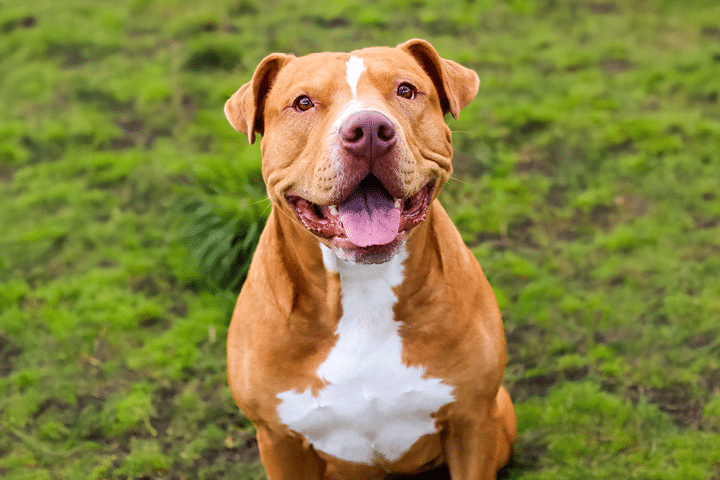
Since the ban on XL Bullies came into force in February 2024, groomers working with these dogs have faced an additional layer of complexity – both practically and legally.
You can still groom XL Bullies as long as their owners follow the law. This means the dog must be muzzled (including in your salon), on a lead, and the owner must have a valid Certificate of Exemption. It’s up to you as the groomer to check that these rules are being followed before you book them in.
Practically speaking, XL Bullies can be strong, physical dogs. Some are extremely well-socialised and straightforward to groom; others present real handling challenges. The same principles apply to this breed as any other. Read the dog, work calmly, use appropriate safety equipment, and don’t push through a situation that has escalated beyond what’s safe.
The insurance question is equally important. Many standard pet business insurance policies either exclude XL Bullies entirely or haven’t been updated since the ban to reflect the new legal landscape. If you accept XL Bullies in your salon, you need to check explicitly that your business insurance covers them.
We offer Public Liability insurance if you work with XL Bullies. If you’re currently working with this breed and aren’t sure whether you’re covered, it’s worth checking before your next appointment.
Making sure you’re covered
No matter how skilled and careful you are, incidents can happen. A dog that has never shown aggression before can react unexpectedly. A bite doesn’t have to be serious to result in a claim – and the costs of a public liability claim, or a claim involving a third party’s dog being injured, can be significant.
Good dog groomers insurance should include:
- Public liability cover – protecting you if a dog injures a person or causes property damage while in your care
- Care, custody and control cover – if a dog is injured or becomes ill while you’re responsible for it
- Employer’s liability – if you have any members of staff, even part-time
- Cover for the specific breeds you work with – including, if relevant, XL Bullies
We’ve been insuring pet businesses for over 25 years. We understand the day-to-day realities of professional grooming, including the breeds and situations that other insurers sometimes struggle to cover.
If you’d like to talk about what insurance your business needs or get a quote, get in touch with our team or call us on 0345 982 5499.
* This article is intended for general informational purposes only. It does not constitute legal or insurance advice. Requirements around XL Bullies are subject to UK legislation — always ensure you are compliant with current regulations. Speak to your insurance provider to confirm the specific terms and cover of your policy.