If you’re new to rural living, it can be tricky to know the difference between a farm and a smallholding. Both involve working the land, keeping animals, and sometimes producing food – but the scale and purpose are very different.
Understanding these differences is important, not just for clarity but also because your insurance needs will vary. Let’s take a closer look.
What is a farm?
A farm is typically:
- Land of 50 acres or more
- Dedicated to commercial production (crops, dairy, beef, etc.)
- Often requires specialist machinery and hired labour
- Subject to more complex agricultural regulations
Farms are primarily businesses designed to generate income from food or raw materials at scale.
What is a smallholding?
A smallholding, on the other hand, is:
- Usually 1–50 acres
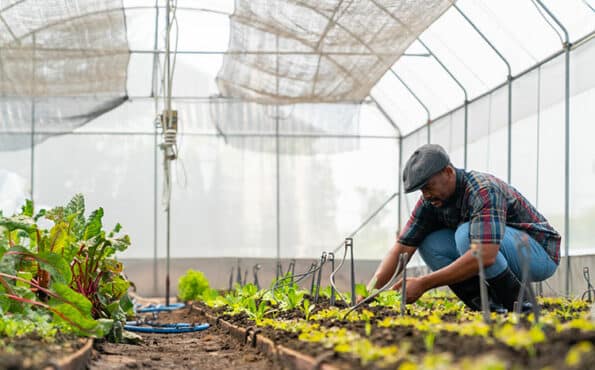
- Used for mixed agricultural or lifestyle purposes
- Often run by families or part-time farmers
- Less commercially driven than a farm
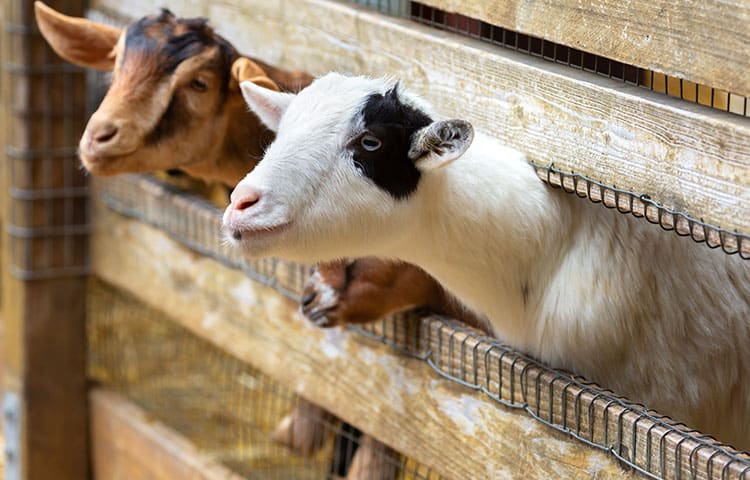
Smallholdings might keep a few sheep, raise poultry, grow fruit and vegetables, or even run kennels, catteries, or dog-walking fields alongside lifestyle farming.
Find what it means to be a smallholder in the UK in our blog.
Key differences between farms and smallholdings
| Farm | Smallholding |
| Size | |
| 50+ acres (often hundreds) | 1–50 acres |
| Purpose | |
| Primarily commercial | Lifestyle, hobby, small-scale income |
| Production | |
| Focused on one or two outputs | Mixed-use, varied activities |
| Labour | |
| Often employs staff/contractors | Family-run, part-time |
| Insurance | |
| Crop, machinery, employer liability | Public liability, pet/livestock, equipment |
Do I need farm insurance or smallholders insurance?
Because their purpose and scale are so different, the risks – and the insurance – aren’t the same.
Farms need insurance for large-scale operations, including machinery, crop failures, livestock, staff, and contractors.
Smallholdings, on the other hand, are more likely to need protection for livestock, pets, public liability (e.g., visitors), and equipment theft.
For example:
A 300-acre dairy farm may require business interruption insurance to cover losses if milk production halts.
A 5-acre smallholding with chickens and kennels would benefit from liability insurance to protect against injuries to visitors or damage caused by animals.
Farm or smallholding insurance? How to decide
If you’re unsure whether your land qualifies as a farm or a smallholding, ask yourself:
- Is your primary focus commercial farming? → You’re likely running a farm.
- Is your land mainly for lifestyle purposes, with some animals or crops? → That’s a smallholding.
If your situation falls somewhere in between, specialist smallholding insurance is often a better choice than generic farm insurance.
Can a smallholding be a farm?
Technically yes, if it’s producing food or goods for sale. Smallholdings often prioritise self-sufficiency or niche production over large-scale profit. While a smallholding can function like a farm, many are more about lifestyle, sustainability, and producing just enough to support the household or a local community.
Do smallholdings need the same insurance as farms?
No, they don’t. Farms require commercial agricultural insurance. This covers large operations like crop protection, machinery breakdowns, and liability for workers. They also need cover for storage facilities, farm buildings, and expensive equipment like tractors and harvesters.
Smallholdings need more specific insurance. Their policies focus on mixed-use land, smaller operations, livestock, and limited farming activities. This makes sure animals and personal property are properly protected.
Get smallholders insurance today
At Brooks Braithwaite, we’re proud to specialise in protecting smallholders – covering everything from livestock to liability. Whether you keep pets, poultry, or alpacas, we’ll help you find the right insurance for your setup.