
Running an animal business is a caring job. It is also a hands-on job. That means you see the best of animals, but you can also see animals at their most worried, over-excited, or overwhelmed.
When dogs feel stressed or frightened, their behaviour can change quickly. A normally friendly dog might growl, snap, guard food, or struggle when handled. Even without aggression, dogs can still cause accidents, for example by jumping up, knocking someone over, or pulling hard on a lead.
The good news is that calmer animals are not just “lucky”. Calm often comes from clear routines, good welfare standards, and staff who know what to look for. Over time, that supports safer workplaces, more confident customers, and a stronger reputation.
This guide is for general information, not a substitute for veterinary or behaviourist advice. If a dog is showing worrying behaviour, speak to a vet and a qualified behaviour professional.
Jump to
-
- What creates aggression and accidents in dogs?
- The welfare-first approach (what to get right every day)
- Enrolment and intake: your best chance to prevent problems
- Handling and routines that help dogs stay calm
- Staff training: what good looks like
- Record keeping that protects animals, staff and your business
- What real cases can teach animal businesses
- A practical checklist
What creates aggression and accidents in dogs?
Aggression rarely appears “out of nowhere”. In many cases, it is linked to stress, fear, pain, frustration, or confusion.
In an animal business setting, dogs can be more reactive because a lot is changing at once. For example:
- New smells, new people, new dogs
- Different feeding routines
- Noisy kennels or busy drop-off times
- Being handled by someone they do not know yet
- Less sleep than usual
That is why welfare, behaviour monitoring, and training all matter. Put simply, when you improve welfare, you often improve behaviour too.
It also helps to remember this: behaviour is information. If a dog growls, freezes, avoids contact, or guards food, they are communicating discomfort. When staff are trained to notice those early signs, incidents are easier to prevent.
The welfare-first approach
A calm and safe environment for animal businesses starts with doing the basics well, every single day. Once the basics are consistent, dogs usually settle faster.
Here are the key areas to focus on.
Environment
Space, noise, temperature, predictability
Dogs cope better when their environment feels safe and understandable.
Practical ways to support calm include:
- Keeping kennel areas as quiet as possible, especially during rest periods
- Using consistent routines for cleaning, feeding and exercise
- Reducing “face-to-face” pressure between dogs, especially in corridors and doorways
- Providing safe enrichment that does not create competition (snuffle mats, chew-safe items with owner consent, scent games)
If you run a dog walking business, the “environment” is the route, the vehicle, and the group. So your calm setup looks like predictable pick-ups, safe transport, and avoiding high-risk locations at peak times.
Nutrition and feeding routines
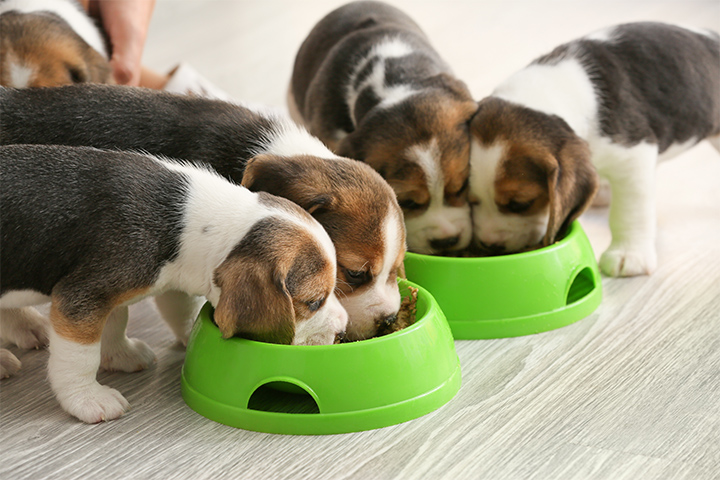
Food can be a major trigger for conflict. Dogs can guard bowls, treats, or even the person holding the food.
To reduce stress around food:
- Keep feeding times consistent where possible
- Avoid group feeding unless you have a robust system and strong compatibility
- Ask owners about treat rules, allergies, and guarding behaviour
- Keep water available, and make it easy for staff to top up
Industry guidance for professional dog walkers also stresses that treats should only be given with owner agreement, and that dogs should be assessed for suitability for group walks. (cfsg.org.uk)
Health and pain checks
Pain changes behaviour. A dog with sore hips, ear infections, or dental pain may be more likely to snap when handled.
Your daily routine should include:
- A quick visual check on arrival (mobility, breathing, eyes, ears, skin)
- A note of anything that has changed (limp, shaking, diarrhoea, less appetite)
- A clear plan for when to contact the owner and when to contact a vet
Ongoing behaviour monitoring
Behaviour monitoring is not about judging a dog as “good” or “bad”. It is about spotting patterns early.
Helpful things to track:
- Stress signals (panting when cool, pacing, hiding, freezing, hard staring)
- Handling tolerance (harnessing, towel drying, paw touching)
- Social comfort (seeks play, avoids dogs, escalates quickly)
- Triggers (doorways, food prep, certain breeds, men in hats, children nearby)
Enrolment and intake: your best chance to prevent problems
Enrolment is where you prevent 80% of future issues. It is also where you set expectations kindly but clearly.
Start by collecting information in writing. Then follow up with a calm conversation. This helps owners remember details they may not think are “important”.
Monitor red flags
A dog may need 1:1 care or additional supervision if the dog has a history of:
- Biting or attempted biting (people or animals)
- Guarding food, bowls, treats, toys, or resting spaces
- Aggression on lead when meeting other dogs
- Reactivity towards strangers, especially in confined spaces
- Vet-led behaviour concerns (for example, pain-linked aggression)
- Escaping leads, harnesses, vehicles, homes, or gardens
A red flag does not always mean “no”. However, it should mean a safer plan.
A simple enrolment checklist
To keep things easy for staff, build a standard checklist that includes:
- Owner contact details and emergency contact
- Microchip details and clear ID photos
- Medical history, vaccinations, ongoing meds, allergies
- Usual routine (sleep, feeding times, toileting, walking style)
- Behaviour notes (triggers, handling dislikes, fear signs)
- Training reliability (recall, lead manners, muzzle training if used)
- Calming strategies that work at home (music, food puzzles, crate, distance)
- Written consent for activities (group play, off-lead, transport, enrichment)
- Vet details and what to do if the owner cannot be reached
This is also a good moment to explain your “calm first” policy. For example, you might say: “We prioritise rest and low-stress handling. If a dog is finding group play too much, we will switch to quieter enrichment instead.”
Handling and routines that help dogs stay calm
Once enrolment is done well, daily routines become much easier. That is because staff are not guessing.
Handling: keep it consistent, calm and clear
Confusing handling increases stress. So does rushing.
Aim for:
- One handler speaking at a time
- Simple cues and calm body language
- Giving dogs space to approach rather than cornering them
- Using barriers and leads thoughtfully to avoid sudden contact
- Stopping early if stress signs appear, then switching to a lower-pressure option
If you need to do hands-on care (animal grooming, harnessing, cleaning paws), go slower than you think you need to. Then go slower again. A few extra seconds often prevents a bite.
Grouping: the “safe match” matters more than the “fun match”
Some dogs love social time. Others tolerate it. Some find it frightening.
So grouping should be based on:
- Size and play style
- Age and energy levels
- Whether a dog likes being chased, or finds it stressful
- Whether the dog guards people, toys, or space
- How quickly the dog escalates when excited
If you are a dog walking business, recognised guidance recommends limiting group sizes and making sure every dog is reliably under control, with a lead available for each dog. (cfsg.org.uk)
Staff training: what good looks like
You can have the best building in the world, but if staff are not confident, incidents still happen.
Training matters because dogs do not behave the same way every day. Their behaviour can shift with pain, fear, hormones, learning history, the weather, and what happened five minutes ago.
Core training topics for animal businesses
A practical training plan should include:
- Recognising stress and fear signals (early signs, not just growling)
- Safe handling, lead skills, and moving dogs through buildings
- Hygiene and cleaning routines that reduce disease spread
- Feeding safely (including preventing guarding incidents)
- What to do if a dog is sick or injured, including basic first aid
- How to report and record incidents and near misses
DEFRA’s licensing guidance also expects competent staff in licensed settings, and many licence conditions focus on welfare outcomes and safe management standards. (gov.uk)
Qualifications: keep it realistic and role-appropriate
Not every role needs the same level of qualification. Still, having a clear standard helps.
For example:
- A Level 2 animal care and welfare pathway is a recognised starting point for many hands-on roles (such as kennel or day care assistant). (occupational-maps.skillsengland.education.gov.uk)
- DEFRA guidance for some licensed activities notes that staff may hold a formal qualification such as a regulated Level 2 qualification appropriate for their role. (gov.uk)
If you manage a team, build in refreshers too. Short “toolbox talks” each month can be more effective than one big annual session.
Record keeping that protects animals, staff and your business
If an incident happens, records help you respond properly. They also help you learn, improve, and show that you take welfare and safety seriously.
Good records are also useful if there is a complaint, a council inspection, or a liability claim.
Keep these records simple and consistent
Depending on your business, your key records may include:
- Risk assessments for activities (for example, group walks, transport, play sessions)
- Written procedures for common tasks (feeding, cleaning, handling, introductions)
- Training logs (who was trained, what they covered, and when)
- Enrolment checks (health, behaviour history, triggers, consent)
- Daily logs (feeding, toileting, exercise, rest, notable behaviour changes)
- Premises and equipment checks (gates, locks, leads, crates, fencing)
- Incident and near-miss reports (with actions taken afterwards)
- Photos, CCTV, and witness statements if relevant
A simple rule helps here: if it is not written down, it is hard to prove later.
What real cases can teach animal businesses
Incidents involving dogs and horses are a useful reminder that “no bite” does not mean “no risk”. A dog running loose can still create a serious accident if it spooks a horse.
Two UK examples that are often discussed in this space include:
- Smith v Worth, where a court found a professional dog walker negligent after off-lead dogs spooked a horse, leading to serious injury. (stjohnschambers.co.uk)
- Koetsier v Thomas & Nolton Stables (2023), a claim involving a riding accident on a beach. The court ultimately found in favour of the dog owner in the negligence claim, with the judgement exploring what risks were reasonably foreseeable in that context. (dacbeachcroft.com)
The practical takeaway is straightforward. If your business involves dogs near horses, plan for it. Use clear lead rules, controlled distances, and a procedure staff can follow under pressure.
A practical checklist
If you want a calmer, safer setup, focus on these “small but powerful” steps first:
- Create a written enrolment form and use it every time
- Build predictable routines for rest, feeding, cleaning and exercise
- Separate dogs visually and physically when stress is high
- Train staff to spot early stress signals, not just obvious aggression
- Keep group sizes within what staff can safely manage
- Record near misses, then adjust your process quickly
- Have an emergency plan that is written down and practised
If you also provide pet services as a business, it can be worth reviewing your insurance arrangements from time to time too. Read more about our pet business insurance policies.