
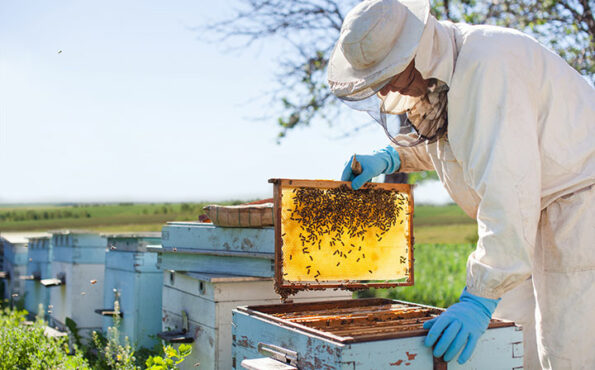
Managing a smallholding is often a labour of love. For many, it starts as a lifestyle choice – a desire to reconnect with nature, grow sustainable food, and perhaps keep a few animals. However, the reality of feed costs, veterinary bills, and equipment maintenance means that financial sustainability is often just as important as environmental sustainability.
If you are looking for income ideas for your plot, you are not alone. Many smallholders are now looking for clever ways to diversify. Whether you have two acres or twenty, transforming a hobby into a revenue stream requires creativity and planning.
In this guide, we will explore practical ways to make money off your land in the UK, helping you offset costs or even build a profitable rural business.
Jump to:
Understanding your assets
Before diving into specific business ideas, it is worth assessing exactly what you have. If you are unsure about the specific definition of your setup, you might want to read our guide on what is a smallholding in the UK? to see where you stand.
Generally, smaller plots require higher-value outputs to be profitable. You cannot compete with commercial mega-farms on wheat or commodity beef, so don’t try. Instead, focus on quality, rarity, and direct-to-consumer sales.
1. Grow high-value specialist crops
When considering how to make money from a small plot of land, growing standard vegetables might not yield a high return unless you have a very established local customer base. Instead, look for niche crops that command a premium price and are hard to find in supermarkets.
Cut flowers
The “grown not flown” movement has made British cut flowers incredibly popular. A small patch of land can produce a significant yield of dahlias, sweet peas, or sunflowers. Selling bouquets at farm gates or supplying local florists can be lucrative.
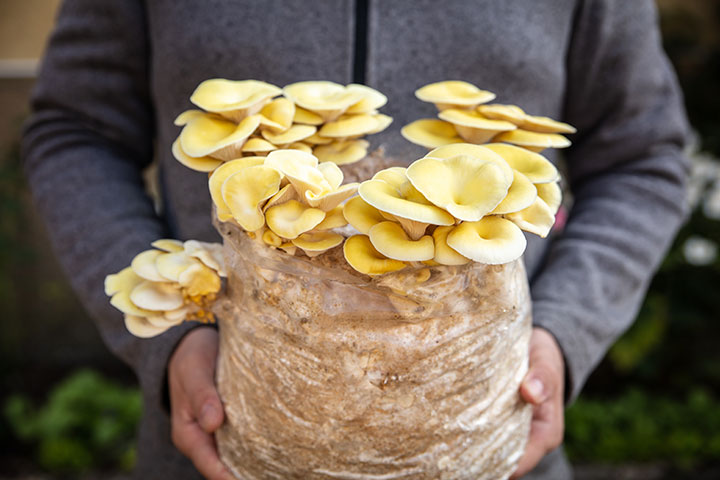
Gourmet mushrooms
Mushrooms, particularly varieties like Oyster or Shiitake, can be grown in converted outbuildings or shaded woodland areas. They need less space than traditional crops and have a quick turnaround time.
Medicinal herbs and teas
With the wellness industry booming, growing herbs for teas, balms, or natural remedies is a growing sector. Lavender, chamomile, and mint are robust growers that can be dried and packaged for sale.
Exotic or rare vegetables
Grow rarer crops like heritage tomatoes, purple carrots, or edible flowers to sell to specialty grocers, high-end restaurants, or farmers’ markets. These crops stand out due to their uniqueness and appeal to a niche audience.
Fruit trees and orchards
If you have the space, planting fruit trees can provide a long-term income source. Apples, pears, plums, or even more exotic fruits like figs are excellent for direct sales, preserves, or cider-making.
2. Livestock: Focus on rare breeds and niche products
If you are wondering, what can I do with agricultural land in the UK regarding animals, the answer often lies in “less is more.”
Rare breed pedigrees
Raising rare breed pigs, sheep, or cattle can be one of the best small farm income ideas UK landowners can pursue. These animals often fetch higher prices for meat due to superior flavour, and you can also sell offspring as breeding stock to other enthusiasts.
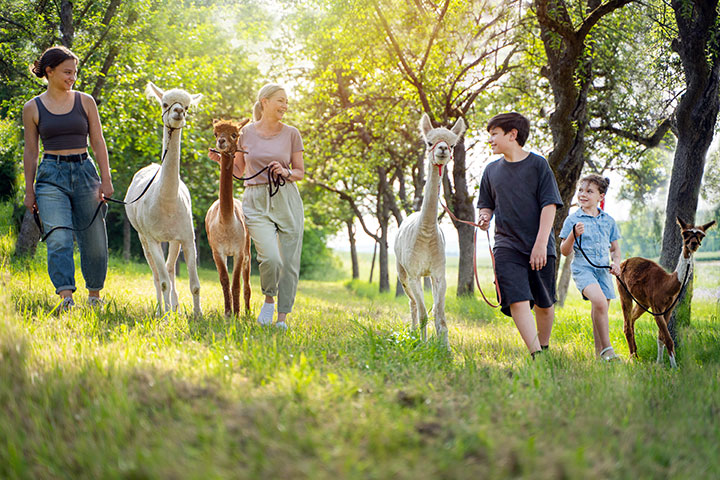
Alpacas and llamas
These animals are popular for two reasons: their high-quality fleece and their temperament. Alpaca walking experiences are a booming agritourism trend. However, always ensure you understand the liability implications of having members of the public interacting with animals on your land.
Beekeeping
Apiculture takes up very little physical space but provides multiple revenue streams: raw honey, beeswax candles, and even “adopt a hive” schemes. It also helps the pollination of your other crops.
Poultry farming
Raising chickens, ducks, or quails for eggs or meat can be a cost-effective choice. Free-range eggs fetch a premium price. You can also sell fertilised eggs or hatchlings to other poultry enthusiasts.
Goat products
In addition to goat milk soap or cheese, goat meat is another niche product in high demand, particularly in certain communities.
3. Add value to your produce
One of the fundamental rules of how to make money from land is to avoid selling raw ingredients if you can sell a finished product. Processing your produce extends its shelf life and increases its value.
From fruit to preserves: If you have an orchard, don’t just sell apples; sell chutney, cider, or apple juice.
From wool to wearables: If you keep sheep, spinning the fleece into yarn or creating felted goods can triple the income compared to selling raw fleece.
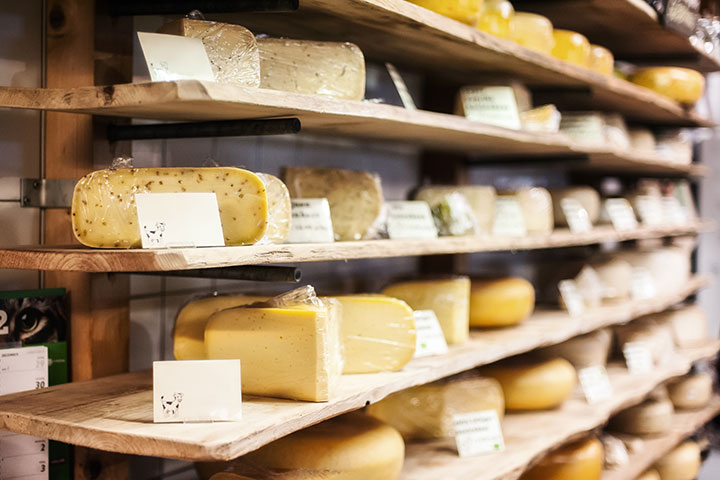
From milk to artisan cheese/soap: If you keep goats, goat’s milk soap is a high-value cosmetic product that is easier to regulate than food products.
Create DIY kits
Turn your produce into at-home experiences. For example, sell mushroom-growing kits, herb garden starter packs, or craft kits made from natural materials like wool or beeswax.

4. Renting out space and agritourism
Sometimes the land itself is your most valuable product. If you are looking for passive ways to make money off your land in the UK, utilising unused space is a smart move.
Secure dog walking fields
With the rise in dog ownership and anxiety around dog theft or reactive dogs, secure, fenced fields are in high demand. Owners will pay by the hour to let their dogs run off-lead in a safe, private environment.
Storage solutions
Caravan storage or secure container storage for local tradespeople can provide a steady monthly income with relatively low effort. Barns that aren’t suitable for livestock might be perfect for storing classic cars or boats.
Camping and glamping
This is a significant step up, but setting up a small campsite or a couple of glamping pods can be highly profitable. You will need to check local planning permissions and ensure you have the correct liability cover in place.
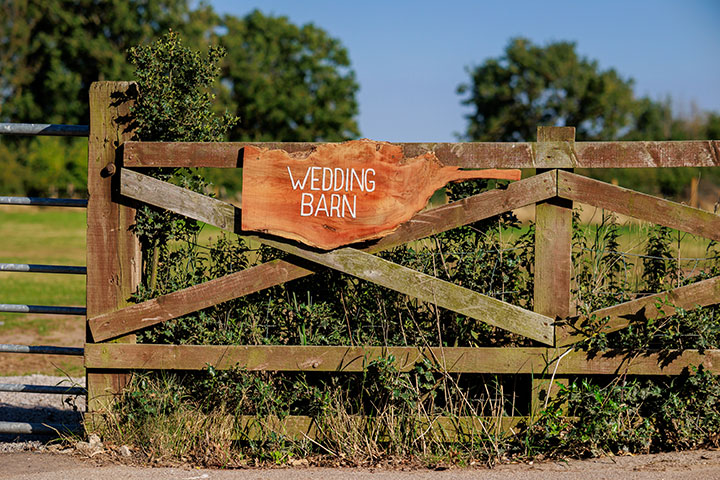
Wedding or event venues
If you have a picturesque property, consider hosting small weddings, photoshoots, or events. Rustic barns, meadows, or gardens can be transformed into beautiful venues with minimal investment.
Educational workshops
Offer workshops or classes on your smallholding skills, such as beekeeping, gardening, or cheese-making. These experiences are in high demand for those wanting to reconnect with nature or learn new skills.
Pick-your-own experiences
If you grow berries, pumpkins, or other crops, inviting the public to pick their own produce can be a fun, profitable venture. It also creates a great opportunity for family-friendly agritourism.
The importance of scale: Farm vs. smallholding
As you begin to monetise your land, the line between a hobby and a commercial enterprise can blur. It is vital to understand the distinction, as it affects regulations, tax, and insurance.
If you are unsure whether your new venture tips the scales, check out our comparison blog: Farm vs small holdings – what’s the difference?. Generally, once you start generating regular revenue and employing staff or using heavy machinery, your risks change significantly.
Protecting your new income stream
When you move from “living off the land” to “making money from the land,” your insurance needs change. A standard home insurance policy rarely covers business activities, public liability for campsite guests, or product liability for the jam you sell at the market.
How to make money from a small plot of land safely involves risk management. Whether you are inviting the public onto your property for alpaca walking or selling eggs at the gate, you could be held liable for accidents or illnesses.
Having the right small holdings insurance ensures that your hard work is protected. It can cover your livestock, your produce, your equipment, and your liability to the public.
Embrace diversification
There is no single answer to what you can do with agricultural land in the UK to make a profit. The best approach is often diversification – having a few different income streams that support each other. You might grow flowers in summer, sell logs in winter, and rent out a paddock year-round.
By finding income ideas for your plot that suit your skills and your soil, you can turn your smallholding into a sustainable business that pays for itself. Just remember to check your planning permissions, adhere to food safety regulations, and update your insurance to cover your new commercial activities.