
Have you ever wondered what exactly counts as a “smallholding” in the UK? You’re not alone. It’s one of the most common questions asked by people curious about countryside living, hobby farming, or those thinking about keeping animals on their land.
In simple terms, a smallholding is a piece of land that’s bigger than a garden but smaller than a full-scale farm. People use smallholdings to grow food, keep animals, or run small, land-based businesses.
But as we’ll see, there isn’t one strict definition – it depends on the size, the purpose, and how the land is used.
What is a smallholding?
In the UK, a smallholding is typically:
- Between 1 and 50 acres in size
- Used for mixed agricultural or lifestyle purposes (not just one crop or product)
- Managed by individuals, couples, or families rather than large farming companies
While the Small Holdings Act of 1892 technically described them as more than one acre but no more than 50 acres, in modern terms people often use “smallholding” more loosely.
For example, someone with just a couple of acres keeping chickens or goats might call their land a smallholding.
What can you do on a smallholding?
The beauty of a smallholding is its flexibility. It’s not just about farming – it’s about creating a way of life. Here are some of the most common uses:
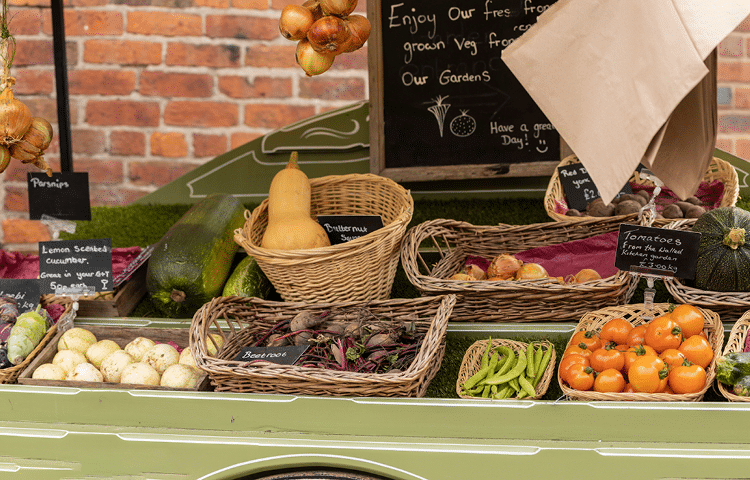
- Growing food: vegetables, orchards, herbs, or polytunnel crops
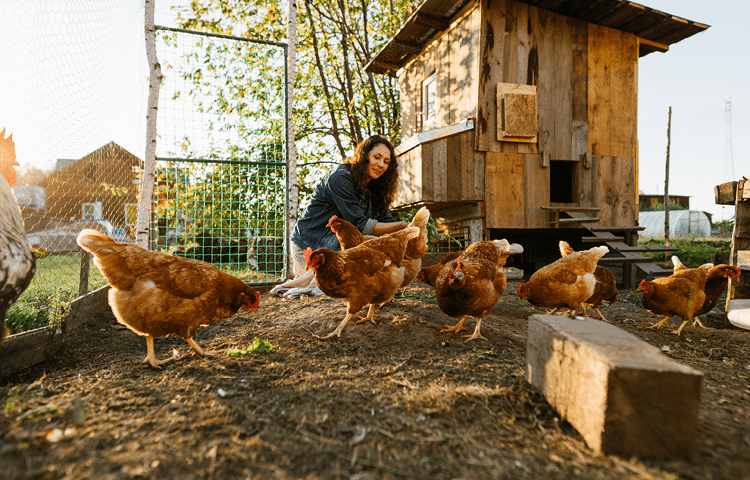
- Keeping livestock: chickens, ducks, goats, sheep, pigs, or alpacas
- Pet-related activities: kennels, catteries, dog boarding, or secure dog walking fields
- Lifestyle farming: bee hives, rare breeds, small-scale cheese or egg production
- Diversification: offering workshops, “pick-your-own” days, or small holiday lets
Unlike farms, which often focus on one type of production at scale (such as wheat or dairy), smallholdings are more mixed and adaptable.
How is a smallholding different from a farm?
It helps to think of smallholdings as a bridge between a large garden and a farm.
| Type | Average size | Typical use |
|---|---|---|
| Garden | Less than 1 acre | Domestic use only (vegetables, pets) |
| Smallholding | 1–50 acres | Mixed crops, livestock, lifestyle |
| Farm | 50+ acres (varies) | Commercial, large-scale production |
So, while a smallholding might keep some sheep or grow vegetables, it’s usually on a smaller, lifestyle-led scale compared to a commercial farm.
Why does smallholding insurance matter?
Even if you’re not running a commercial farm, owning a smallholding still comes with risks. Here are some real-life examples:
- Accidents with visitors: A delivery driver trips over a piece of farming equipment on your land and makes a claim.
- Escaped animals: Your goats break through a fence and damage a neighbour’s garden.
- Animal health: Poultry disease wipes out your flock of chickens, or a horse injures itself.
- Theft or damage: Expensive equipment like quad bikes or trailers are stolen.
Most home insurance policies don’t cover these kinds of situations. That’s why specialist smallholding insurance exists – to protect your land, your animals, and your liability if something goes wrong.
Find out what smallholding insurance covers.
Can you live on a smallholding in the UK?
Yes, many people live on their smallholding. Some properties already come with a farmhouse or cottage. If you’re building new accommodation or changing how the land is used, you may need planning permission.
Do you need planning permission for a smallholding?
Not always. If you’re simply keeping a few animals or growing crops, you may not. But if you’re planning to run a business (like kennels or equestrian facilities) or construct buildings, you’ll need to check with your local planning authority.
Is a smallholding classed as a farm?
While smallholdings may share some similarities with farms, the main difference is scale and purpose.
A smallholding is essentially a “small farm” often run more as a lifestyle choice than a business, while a farm tends to be larger and more commercially focused.
Protect you, your animals and your livelihood with confidence
At Brooks Braithwaite, we know that every smallholding is unique, with its own challenges and needs. That’s why we provide tailored smallholding insurance to safeguard what matters most to you. Whether you’re protecting livestock, equipment, or your property, our specialist policies are designed to give you peace of mind.
For more information, call our friendly team on 01444 708849.